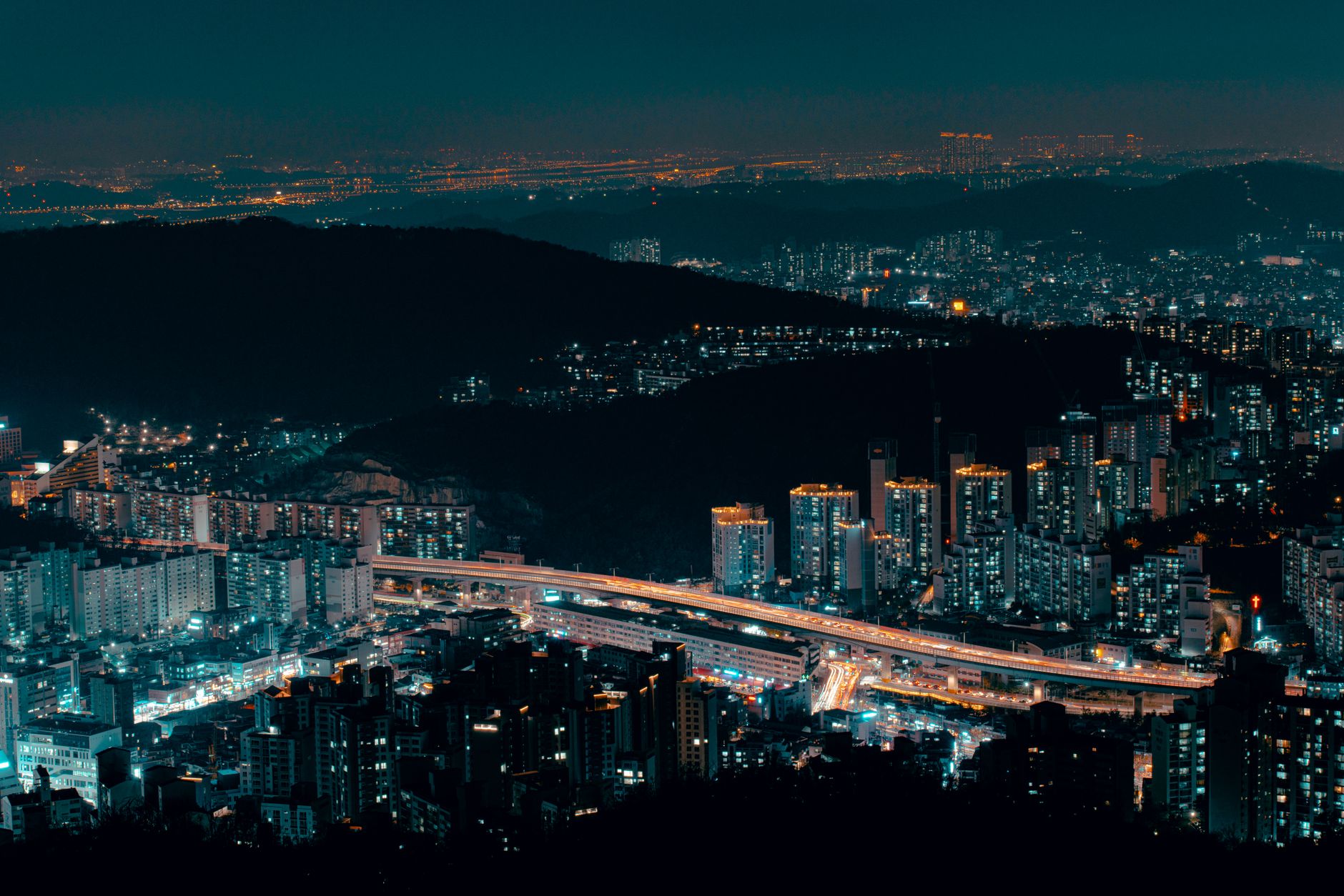
Seoul hits different than other Asian megacities—it's relentlessly modern but still deeply traditional, often on the same block. The food culture is spectacular and accessible: you can eat like royalty for $12 at a pojangmacha (street tent) or in a bustling basement food court. What surprises most layover visitors is how manageable it feels despite being home to 10 million people; the subway is pristine, English signage is everywhere, and you can cross from palaces to K-pop districts in 20 minutes. Even a short visit feels substantive because everything—temples, markets, restaurants—operates at full intensity.
Quick Reference
Getting Into Town
| Mode | To | Time | Cost |
|---|---|---|---|
| AREX Express | Seoul Station | 43 min | ₩11,000 |
| AREX All-Stop | Seoul Station | 58 min | ₩4,750 |
| Airport Limousine Bus | Myeongdong / Gangnam | 70 min | ₩17,000 |
AREX Express: Non-stop, wide seats, luggage space. Every 30-40 min. Book at the airport or online.
AREX All-Stop: Local stops, less than half the price. Runs every 6-12 min. T-money card works.
Airport Limousine Bus: Direct to major hotel districts. Comfortable but traffic-dependent.
Entry requirements: Many nationalities can enter South Korea visa-free for 30-90 days. K-ETA (electronic travel authorization) may be required depending on nationality. Check official requirements
How Much Time Do You Have?
4 Hours
This is Insadong or bust—take the express train to Seoul Station, transfer to Line 3 to Anguk, and spend your time in one historic neighborhood. You'll get a temple, traditional streets, and solid food without the stress of cross-city sprints.
6 Hours
Combine Insadong's traditional side with Myeongdong's street food chaos. You'll hit a temple, hanok village, palace gate views, and finish with the city's best street snacks as the neon comes on.
8+ Hours
Full palace experience, proper market food immersion, and two distinct neighborhoods. Start cultural with Gyeongbokgung, pivot to Gwangjang Market for lunch, then end with Myeongdong's street food circus and shopping energy.
Overnight
Hit Insadong and Bukchon in late afternoon when tour groups thin out, proper sit-down dinner in Myeongdong, sleep near Seoul Station for easy morning access. Wake up for Namdaemun Market breakfast before your flight—the market vendors start cooking at 6am.
Neighborhoods
Insadong & Bukchon
Traditional hanok houses climb hillsides between art galleries and tea shops selling rice cakes from wooden carts. It's touristy but genuinely beautiful, especially the narrow alleys of Bukchon where actual residents hang laundry between 600-year-old beams.
traditional architecture and crafts
Myeongdong
Neon-soaked chaos of cosmetics shops, street food vendors grilling whole lobsters on sticks, and crowds that flow like rivers around 7pm. It's overwhelming but intoxicating, and the street food game here is genuinely elite.
street food and late-night energy
Hongdae
University district with indie boutiques, buskers on every corner, and hole-in-the-wall restaurants down alleyways covered in graffiti. It feels young and slightly messy in the best way, especially after dark when the clubs open.
nightlife and creative energy
Gwangjang Market Area
Seoul's oldest traditional market, a fluorescent-lit labyrinth where grandmas hand-roll kimbap at 6am and bindaetteok (mung bean pancakes) sizzle on griddles the size of car hoods. The energy is pure hustle, zero pretense.
authentic market food culture
Gangnam
Glass towers, luxury flagship stores, and an aspirational sheen that feels like Seoul's future arrived early. It's sleek but soulless compared to north-of-the-river neighborhoods, though the food scene is cutting-edge.
modern Seoul and upscale dining
Where to Eat
Crispy mung bean pancakes fried to order, best eaten standing at the stall with a paper cup of makgeolli rice wine.
Kalguksu (hand-cut noodles) in anchovy broth that's been perfected since 1966, with a line that moves surprisingly fast.
Whole young chicken stuffed with ginseng and rice in milky broth—Seoul's ultimate comfort food in a hanok setting.
Tornado potatoes, cheese lobster, hotteok (sweet pancakes), and things being grilled on sticks that you can't identify but should try anyway.
A whole alley of competing kalguksu joints where locals crush bowls before shopping—any one is good, they're all fast.
Bingsu (shaved ice dessert) piled high with red beans, fruit, or injeolmi rice cake—a perfect palate cleanser between shopping.
Tiny 'drug' kimbap rolls (named because they're addictive) dunked in mustard sauce at ₩3,000 for a massive plate.
Whole chicken soup cooked at your table with garlic, rice cakes, and glass noodles—it's participatory and delicious.
What to See
The main royal palace with changing of the guard ceremonies and mountains as backdrop—arrive at 10am or 2pm for the guard performance.
Wander hilltop alleys lined with traditional wooden houses, though respect the 'quiet please' signs since people actually live here.
Active Buddhist temple in the city center where you can watch monks chant and paper lanterns cover every tree—especially stunning during Buddha's Birthday.
Main shopping street for traditional crafts, tea houses, and galleries, with side alleys hiding courtyard cafés in renovated hanoks.
Korea's largest traditional market, massive and slightly chaotic, selling everything from silk scarves to kitchen equipment to street snacks.
Restored urban stream running through downtown with walking paths and stepping stones—oddly peaceful given you're surrounded by skyscrapers.
Soaring book-tower atrium in a mall that's become an Instagram pilgrimage site—it's free and genuinely impressive.
Zaha Hadid's curvaceous spaceship of a building hosting design exhibitions and night markets—worth seeing even if you skip the exhibits.
When to Visit
Best months: April-May, September-November
Worst months: July-August: brutal humidity and monsoon rains; January-February: bitter cold with wind chill
Spring brings cherry blossoms and perfect temps; fall has crisp air and changing leaves, especially beautiful in palace grounds.
- Cherry Blossom Festival (early April)
- Buddha's Birthday lantern displays (May)
- Seoul Lantern Festival (November)
Practical Info
Language
English signage is everywhere on subways and major streets; younger Koreans often speak some English, though restaurant menus can be Korean-only—translation apps work well.
Safety
Seoul is extremely safe at any hour; biggest annoyance is aggressive cosmetics shop touts in Myeongdong who'll follow you for half a block.
Connectivity
Airport has free wifi; get a prepaid SIM or eSIM for subway apps (Kakao Metro) and translation—mobile data is cheap and blazing fast.
Luggage Storage
Coin lockers throughout Seoul Station and major subway hubs (₩3,000-5,000 for large bags); ICN also has excellent left luggage service at both terminals.
Where to Sleep
At the Airport
- Incheon Airport Transit Hotel (both terminals, airside)
- Capsule hotels in Terminal 1 basement
- Darakhyu Transit Hotel (landside, Terminal 2)
Nearby
- Grand Hyatt Incheon (free shuttle every 20 min)
- Nest Hotel Incheon (15 min shuttle)
- Paradise City complex (casino hotel with shuttle, 15 min)
Connection Guides
Need to know if your layover is long enough? Check the connection guide for your airport: